FPV Drones
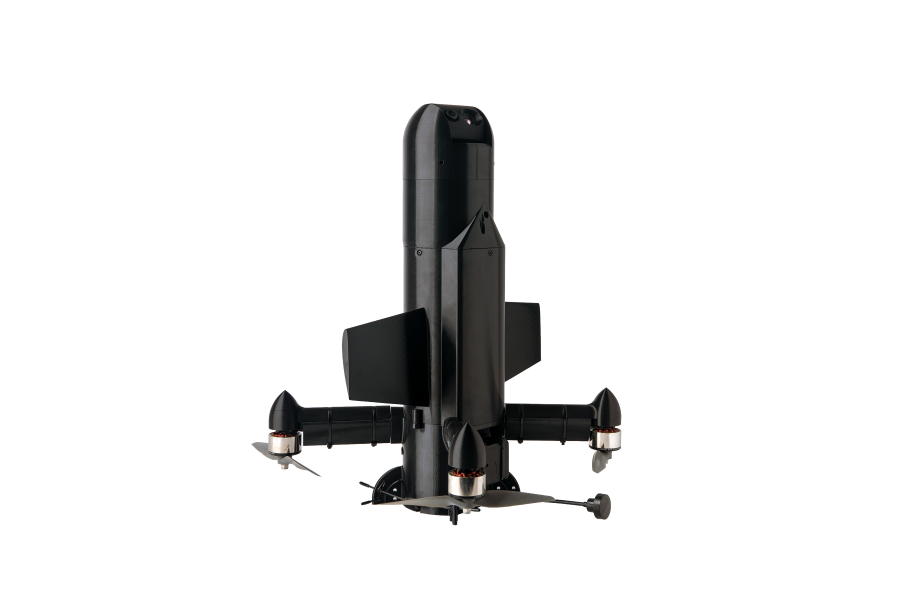
Striker AI
High-speed interceptor drone built to protect airspace and neutralize...

Stalker XO-13
Single-use fiber-optic drone built for one mission: a guaranteed...
Striker Mini
High-speed interceptor drone built to protect airspace and neutralize...

Stalker XO-10 China-Free
China-free fiber-optic drone — built with Ukrainian and European...

Stalker XO-15 MAX PRO
Flagship deep-reach model — 30 km fiber-optic range with...
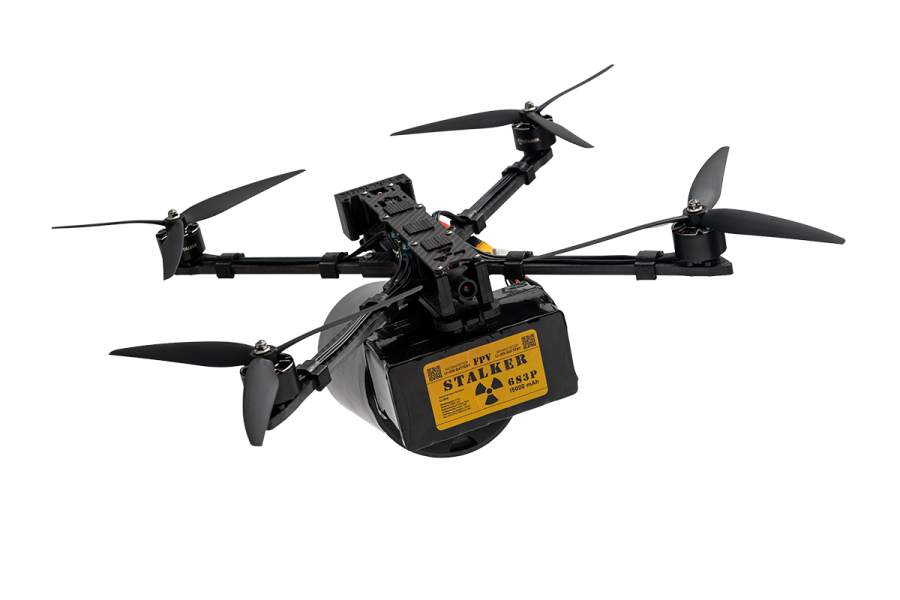
Stalker XO-10 PRO
Deepest reach in the 10-inch class — 20 km...

Stalker XO-15 PRO
Flagship long-range model — 25 km strike radius and...
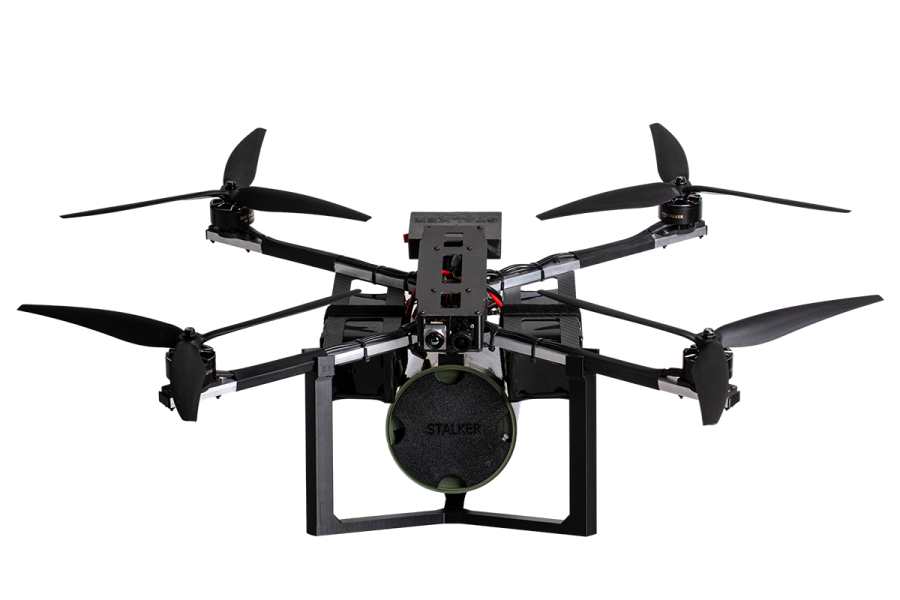
Stalker XO-15 MAX
Fiber-optic deep-strike drone: 20 km range with a full...
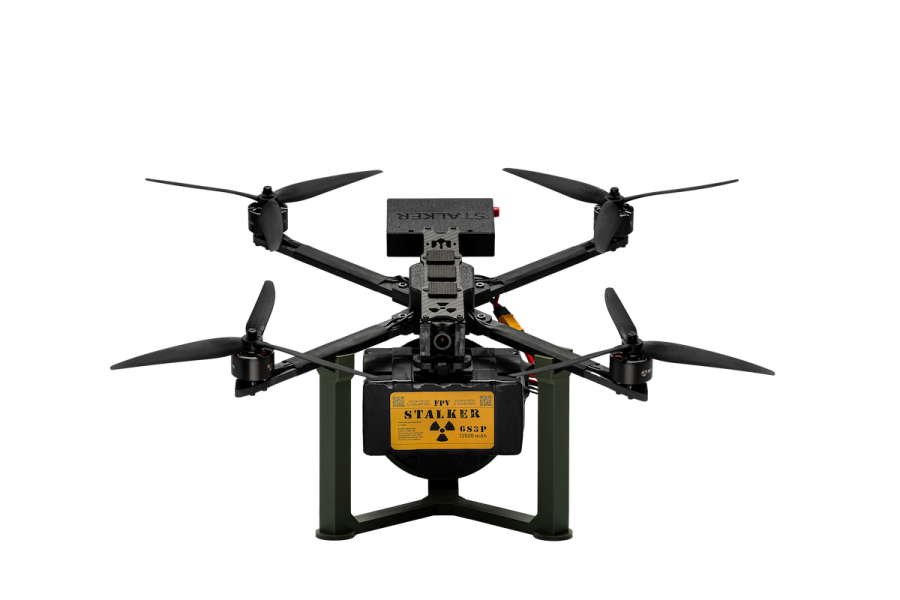
Stalker XO-10 MAX
Extended-range fiber-optic drone: 15 km of reliable, uninterrupted strike...
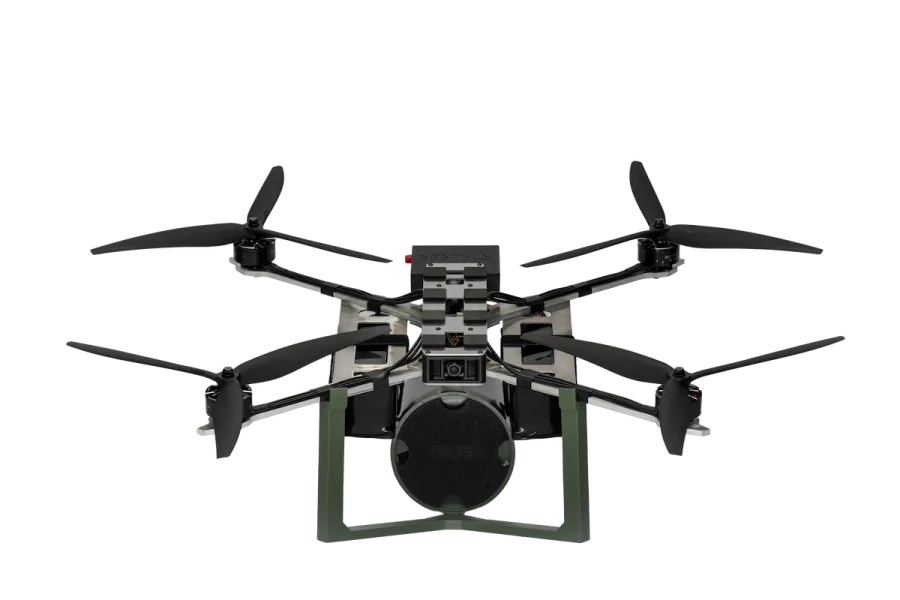
Stalker XO-15
Heavy-lift fiber-optic drone with up to 3 kg payload...
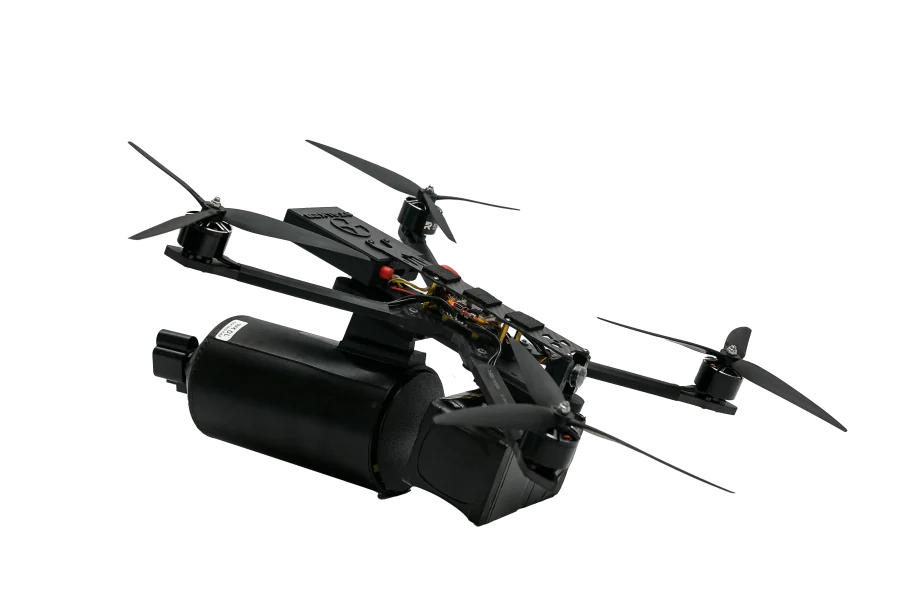
Stalker XO-10
Single-use strike drone with a stable, jam-proof link. Battle-proven...
Components

8S3P Li-ion Battery Pack (4 × 6) — 15,000 mAh
Number of cells: 24 Nominal voltage: 28.8 V (3.6...

8S3P Li-ion Battery Pack (3 × 8) — 15,000 mAh
Number of cells: 24 Nominal voltage: 28.8 V (3.6...

6S3P Li-ion Battery Pack — 15,000 mAh
Number of cells: 18 Nominal voltage: 21.6 V (3.6...
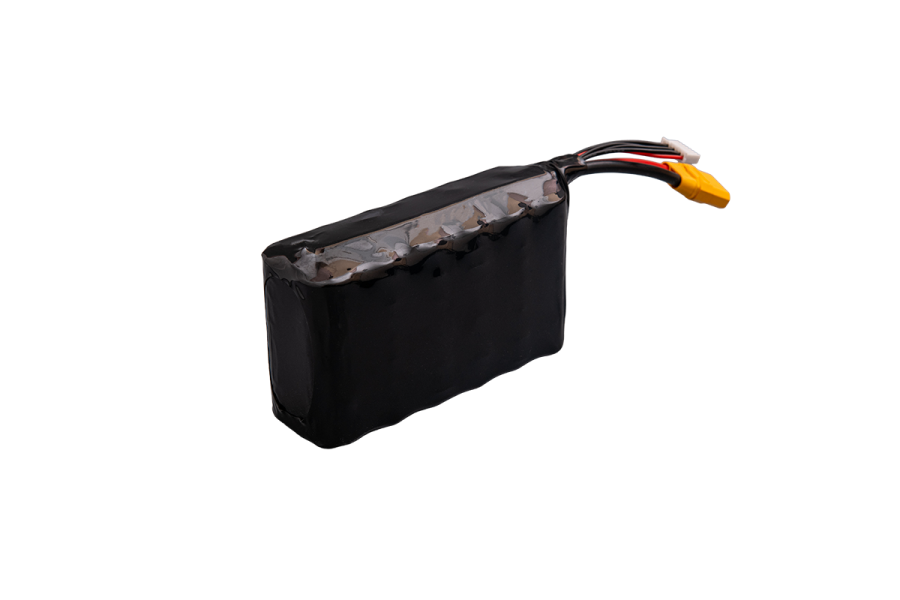
6S2P Li-ion Battery Pack — 10,000 mAh
Number of cells: 12 Nominal voltage: 21.6 V (3.6...
partner military units providing direct frontline feedback
drones manufactured and delivered to the Ukrainian Armed Forces in 2025
OEM to achieve NATO codification for a fiber-optic UAV system
FPV Drone: What It Is and How the Technology Works
An FPV drone is an unmanned aerial vehicle operated from a first-person view. The video feed from the onboard camera is transmitted to the pilot’s FPV goggles or monitor, allowing the operator to see the environment as if they were flying from the drone’s perspective.
The technology enables faster response, precise flight control, and better spatial awareness. This makes FPV drones effective in scenarios where maneuverability, stable communication, and accurate task execution are essential.
FPV drone configurations vary by purpose, frame type, propeller size, signal transmission system, battery, and additional equipment. When choosing a model, it is important to consider operating conditions, required range, payload capacity, flight time, and control format.